In today’s hyper-competitive mobile app ecosystem, keeping users engaged is more than just a goal it’s a necessity. Mobile users have countless alternatives at their fingertips, and if your app doesn’t captivate them quickly, they’ll move on. One of the most effective ways to boost user retention and engagement is mobile app gamification. By integrating game-like elements into your app, you can create a more interactive, rewarding, and enjoyable experience that encourages users to keep coming back.
In this blog, we’ll explore practical user engagement strategies, gamification techniques, and behavioral design methods that can transform your mobile app into an engaging powerhouse.
What is Mobile App Gamification?
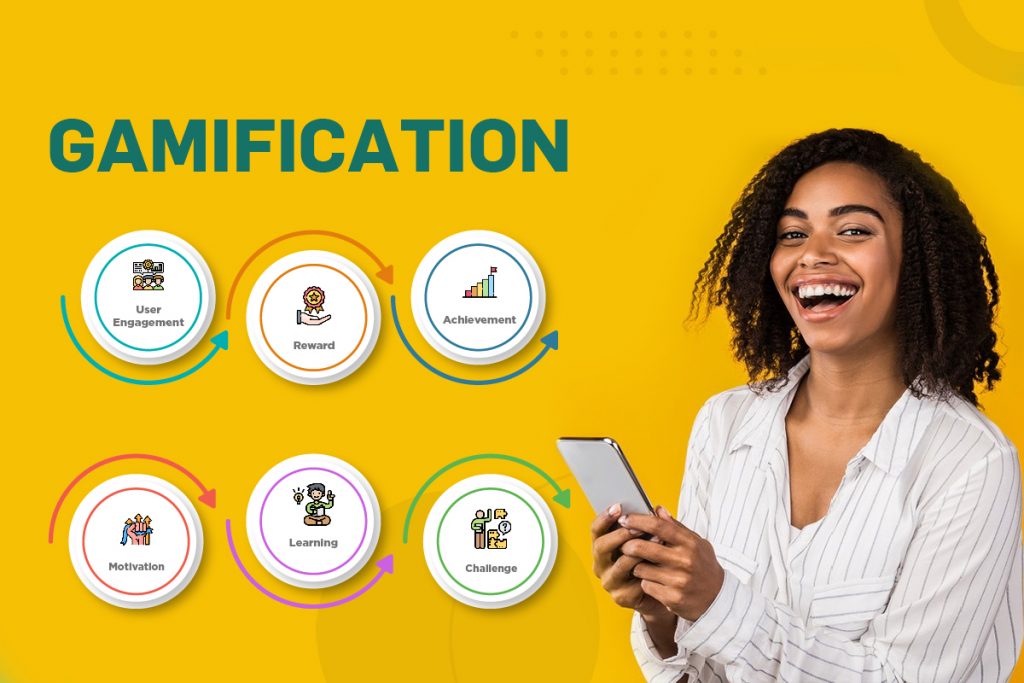
Mobile app gamification is the practice of applying game mechanics to non-gaming apps to enhance user engagement and motivation. It’s not about turning your app into a video game it’s about leveraging the psychological triggers that make games addictive: challenges, rewards, progression, and social recognition.
For instance, apps like Duolingo use progress tracking, levels, and streaks to encourage daily learning, while fitness apps like Strava implement leaderboards in mobile apps to spark friendly competition. These elements transform mundane tasks into compelling experiences, keeping users invested over time.
Why Gamification is Crucial for App Engagement
The primary purpose of gamification for apps is to increase user engagement. Studies show that users are more likely to complete tasks, return to apps, and engage with content when game mechanics are involved. Gamification appeals to intrinsic and extrinsic motivations: users enjoy feeling accomplished, competing with others, and receiving rewards for their efforts.
Here are key benefits of gamification in mobile apps:
- Boosts retention rates: Users are more likely to return when progression and rewards exist.
- Encourages desired behaviors: Gamification can drive actions like sharing content, completing tutorials, or making purchases.
- Fosters social interaction: Features like leaderboards and challenges create a sense of community.
- Enhances satisfaction: Users feel a sense of achievement, which strengthens emotional attachment to the app.
Effective App Engagement Techniques with Gamification
Implementing gamification requires a thoughtful strategy. Below are some app engagement techniques that can maximize your results.
1. Rewards and Progress Tracking
Nothing motivates users more than tangible recognition of their efforts. Rewards and progress tracking are fundamental components of mobile app gamification.
- Points and Badges: Award points for completing actions like onboarding, sharing, or daily logins. Badges symbolize achievements and encourage users to reach higher milestones.
- Progress Bars: Visual indicators of progression make users feel accomplished and prompt them to continue engaging with the app.
These mechanics not only satisfy the user’s desire for achievement but also provide measurable metrics for your app team to track engagement.
2. Challenges and Levels for Apps
Introducing challenges and levels for apps can make your app experience more dynamic and interactive. Levels create a sense of progression, while challenges push users to accomplish specific goals.
- Daily or Weekly Challenges: Encourage regular app usage by setting goals that refresh periodically.
- Difficulty Levels: Gradually increasing difficulty levels can maintain user interest by providing a steady sense of achievement.
Challenges make the user journey more exciting, while levels give a tangible sense of growth, making users feel invested in their progression.
3. Leaderboards in Mobile Apps
Social comparison is a powerful motivator. Implementing leaderboards in mobile apps allows users to compete with friends, family, or the broader app community.
- Top Performers: Highlight top users to create aspirational goals.
- Friendly Competition: Enable users to challenge peers, adding a social element that reinforces engagement.
Leaderboards are particularly effective in fitness, learning, and productivity apps, where users naturally strive to outperform themselves or others.
4. Interactive Storytelling in Mobile UX
Interactive storytelling in mobile UX is a subtle but potent form of gamification. By weaving narrative elements into the user journey, apps can make tasks feel meaningful and immersive.
- Story-driven Progression: Users advance through a narrative as they complete tasks or challenges.
- Character Development: Personalization through avatars or roles can enhance emotional investment.
Storytelling taps into the user’s imagination, making the app experience memorable and encouraging longer engagement sessions.
5. Behavioral Engagement Design
Understanding user psychology is key to successful gamification. Behavioral engagement design focuses on nudging users toward desired behaviors using game-like cues.
- Feedback Loops: Immediate feedback for actions reinforces behavior.
- Reward Schedules: Use variable rewards to maintain curiosity and excitement.
- Personalization: Tailor challenges and rewards based on user activity patterns to maximize relevance.
By designing your app around behavioral triggers, you can subtly guide users to engage more consistently without feeling forced.
Best Practices for Mobile App Gamification
While gamification can be highly effective, poorly executed mechanics can frustrate users. Here are some best practices:
- Keep it Simple: Avoid overwhelming users with too many mechanics or rules.
- Focus on Intrinsic Motivation: Ensure the app provides value beyond rewards.
- Use Social Elements Wisely: Encourage friendly competition but avoid overly aggressive ranking systems.
- Test and Iterate: Monitor engagement metrics and adjust gamification elements to optimize results.
Remember, the goal is to make engagement feel natural, enjoyable, and rewarding—not mandatory.
Examples of Successful Gamification
- Duolingo: Uses streaks, points, and levels to keep language learners engaged.
- Fitbit: Offers badges, challenges, and social leaderboards to motivate physical activity.
- Forest App: Combines productivity and gamification by rewarding focus time with virtual trees that grow as users avoid distractions.
These examples demonstrate that well-designed gamification can enhance retention, foster loyalty, and drive consistent user engagement.
Get Yourself the Right App Development Partner
Gamification, when done right, it can bring a lot of benefits for the company and help its users as well, otherwise it becomes a mess almost impossible to handle. To overcome this challenge, we would suggest you visit Origami Studio’s website. They have showcased outstanding mobile application projects delivered by them. You can find these apps on PlayStore as well and check the ratings yourself.
This mobile app development company houses multiple professional app developers who have unmatched experience and skills to deliver any sort of app you desire. We believe in discussing the project with you and having you involved on every step so you have the hold of the whole process. Would you like to discuss your project with us? If yes, don’t hesitate in contacting them right away!