What's inside!
- What Is Machine Learning in Software...
- Why Machine Learning Matters in Modern...
- The Relationship Between Software Engineering and...
- Common Applications of Machine Learning in...
- Integrating ML Into Software: The Development...
- Benefits of ML Powered Applications
- Challenges of Embedding ML in Apps
- Best Practices for Successful Machine Learning...
- How Machine Learning Development Services Accelerate...
- Why Businesses Choose Origami Studios
- The Future of Machine Learning in...
- Conclusion
- FAQ’s
Share:


Software development has changed dramatically over the last few years. Applications are no longer expected to simply perform predefined tasks. Users now expect software to learn, adapt, predict, and improve experiences automatically. This shift has pushed businesses toward adopting machine learning in software development as a core part of their digital strategy.
From recommendation engines and fraud detection systems to intelligent chatbots and predictive analytics tools, machine learning is becoming a fundamental component of modern applications. Companies that embrace this technology can build smarter products, automate decision making, and create highly personalized user experiences.
For organizations looking to stay competitive, understanding how machine learning fits into software development is no longer optional. It is becoming a practical requirement.
In this guide, we will explore how machine learning is transforming software engineering, the benefits of integrating ML into software, common use cases, challenges, and best practices for successful implementation.
What Is Machine Learning in Software Development?
Machine learning in software development refers to the process of incorporating algorithms that can learn from data and improve performance over time without being explicitly programmed for every scenario.
Traditional software follows fixed rules defined by developers. Machine learning systems, on the other hand, identify patterns in data and make predictions or decisions based on those patterns.
For example, a traditional email filter might use predefined rules to block spam. A machine learning powered filter learns from millions of emails and continuously improves its ability to detect unwanted messages.
This capability allows software applications to become more intelligent and adaptable.
Why Machine Learning Matters in Modern Software
Businesses generate enormous amounts of data every day. Machine learning helps transform that data into valuable insights and automated actions.
Here are some reasons why companies are investing heavily in AI in software development:
Improved User Experience
Machine learning can personalize content, recommendations, and interactions based on user behavior.
Better Decision Making
Predictive models help organizations make informed decisions using historical and real time data.
Increased Automation
Many repetitive tasks can be automated, reducing operational costs and improving efficiency.
Competitive Advantage
Businesses that use intelligent software often deliver faster, smarter, and more engaging experiences than competitors.
The Relationship Between Software Engineering and Machine Learning
Although machine learning and software engineering are closely connected, they have different goals.
Software engineering focuses on designing, building, testing, and maintaining applications. Machine learning focuses on creating models that learn from data.
When combined effectively, they create powerful systems capable of solving complex business problems.
Successful software engineering and machine learning projects require collaboration between:
- Software developers
- Data scientists
- Machine learning engineers
- Product managers
- Quality assurance teams
Each group contributes specialized expertise to ensure both the software and the machine learning models function correctly.
Common Applications of Machine Learning in Software Development
Machine learning is being integrated into software across nearly every industry.
Intelligent Recommendation Systems
Streaming platforms, ecommerce stores, and media applications use machine learning to recommend products, movies, articles, and services.
Recommendations are based on user behavior, preferences, and historical interactions.
Predictive Analytics
Organizations use predictive models to forecast future outcomes such as customer demand, sales trends, and equipment failures.
This helps businesses make proactive decisions.
Fraud Detection
Financial institutions and payment platforms use machine learning to identify unusual activities and prevent fraudulent transactions.
These systems continuously learn from new patterns and emerging threats.
Chatbots and Virtual Assistants
Modern customer service solutions rely heavily on machine learning to understand user intent and provide accurate responses.
These systems improve over time through interaction data.
Image and Speech Recognition
Applications can now recognize faces, analyze images, transcribe speech, and understand spoken commands with remarkable accuracy.
Healthcare Applications
Machine learning assists healthcare providers by analyzing patient data, identifying patterns, and supporting diagnostic decisions.
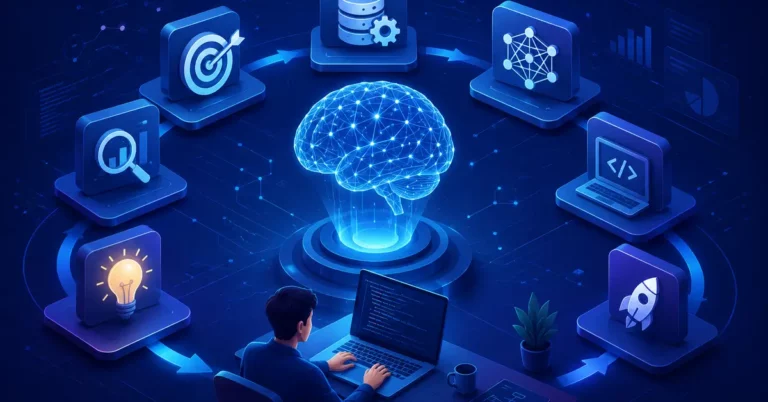
Integrating ML Into Software: The Development Process
Many businesses assume machine learning is difficult to implement. While it does require planning, a structured approach makes the process manageable.
Step 1: Define the Business Problem
The first step is identifying a problem that machine learning can solve effectively.
Examples include:
- Predicting customer churn
- Automating support requests
- Detecting fraudulent activity
- Personalizing user experiences
Clear objectives are essential for project success.
Step 2: Collect and Prepare Data
Machine learning models rely on high quality data.
Teams must gather relevant datasets and ensure they are accurate, complete, and properly organized.
Data preparation often includes:
- Cleaning data
- Removing duplicates
- Handling missing values
- Standardizing formats
This stage often consumes a significant portion of project time.
Step 3: Select the Right Model
Different machine learning models serve different purposes.
The choice depends on project requirements, available data, and desired outcomes.
Examples include:
- Classification models
- Regression models
- Clustering algorithms
- Deep learning networks
Step 4: Train and Evaluate the Model
Developers train models using historical data and evaluate performance using testing datasets.
Metrics such as accuracy, precision, recall, and error rates help determine effectiveness.
Step 5: Deploy the Model
Once validated, the model is integrated into the software application.
This stage involves embedding ML in apps while ensuring performance, scalability, and security.
Step 6: Monitor and Improve
Machine learning models require ongoing monitoring because data patterns change over time.
Regular updates help maintain accuracy and effectiveness.
Benefits of ML Powered Applications
Organizations implementing machine learning often experience measurable business improvements.
Enhanced Personalization
Users receive customized experiences tailored to their behavior and preferences.
Faster Operations
Automation reduces manual workloads and speeds up business processes.
Better Accuracy
Machine learning models often outperform traditional rule based systems in complex decision making scenarios.
Scalability
Machine learning solutions can handle growing volumes of users and data efficiently.
Revenue Growth
Personalized recommendations and predictive insights often lead to higher conversions and customer retention.
Challenges of Embedding ML in Apps
While machine learning offers significant benefits, organizations should also understand the challenges involved.
Data Quality Issues
Poor quality data can significantly reduce model performance.
Integration Complexity
Combining machine learning systems with existing applications can require architectural changes.
Security and Privacy Concerns
Sensitive data must be protected throughout collection, storage, and processing.
Ongoing Maintenance
Unlike traditional software features, machine learning models require continuous monitoring and updates.
Talent Requirements
Successful implementation often requires specialized expertise in both software engineering and machine learning.
Best Practices for Successful Machine Learning Development
Organizations can improve project outcomes by following proven best practices.
Start Small
Begin with a focused use case that delivers measurable business value.
Prioritize Data Quality
High quality data is often more important than sophisticated algorithms.
Build Cross Functional Teams
Collaboration between developers, data scientists, and business stakeholders improves results.
Monitor Performance Continuously
Regular evaluation helps detect performance issues before they impact users.
Focus on User Value
Technology should solve real business problems and improve customer experiences.
How Machine Learning Development Services Accelerate Success
Many businesses lack the internal resources needed to build and deploy machine learning solutions effectively.
This is where Machine Learning Development Services provide value.
Experienced development partners can help organizations:
- Identify high value use cases
- Build custom machine learning models
- Integrate ML into existing software
- Develop scalable AI driven applications
- Maintain and optimize deployed solutions
Working with experienced teams reduces risk and accelerates implementation timelines.
Why Businesses Choose Origami Studios
At Origami Studios, we help organizations transform ideas into intelligent digital products through advanced machine learning and AI solutions.
Our team specializes in:
- Custom machine learning development
- Intelligent application design
- Predictive analytics solutions
- AI powered software development
- End to end deployment and support
Whether you are launching a new product or enhancing an existing platform, Origami Studios helps businesses leverage machine learning technologies to create measurable value and long term growth.
The Future of Machine Learning in Software Development
Machine learning will continue reshaping how software is designed, developed, and maintained.
Future applications will become even more intelligent, capable of understanding context, predicting user needs, and automating increasingly complex tasks.
Businesses that invest in machine learning today position themselves to deliver smarter products, improve operational efficiency, and stay ahead in rapidly evolving markets.
The organizations that successfully combine software engineering expertise with machine learning capabilities will lead the next generation of digital innovation.
Conclusion
Machine learning in software development is no longer a futuristic concept. It is a practical technology that is already transforming industries worldwide.
By integrating ML into software, businesses can automate processes, improve decision making, personalize customer experiences, and unlock valuable insights from data.
While implementation requires careful planning and expertise, the benefits often far outweigh the challenges.
As demand for intelligent applications continues to grow, machine learning will remain one of the most influential technologies shaping the future of software development. Organizations that embrace this transformation now will be better equipped to compete, innovate, and grow in the years ahead.
FAQ’s
1. What is machine learning in software development?
Machine learning in software development involves integrating algorithms that learn from data and improve performance over time. Unlike traditional software that follows fixed rules, machine learning systems can make predictions, recognize patterns, and adapt to new information.
2. How is machine learning used in modern software applications?
Machine learning is commonly used for recommendation engines, chatbots, fraud detection, predictive analytics, image recognition, speech processing, and personalized user experiences across various industries.
3. What are the benefits of integrating ML into software?
Integrating ML into software can improve automation, enhance personalization, increase operational efficiency, support better decision making, reduce costs, and create more engaging user experiences.
4. What challenges do companies face when embedding ML in apps?
Common challenges include poor data quality, model maintenance, integration complexity, privacy concerns, infrastructure requirements, and the need for skilled machine learning professionals.
5. What industries benefit most from ML powered applications?
Industries such as healthcare, finance, retail, ecommerce, logistics, education, manufacturing, and telecommunications benefit significantly from machine learning powered applications.
6. Why should businesses invest in Machine Learning Development Services?
Machine Learning Development Services help businesses build custom AI solutions faster, reduce implementation risks, access specialized expertise, improve scalability, and accelerate digital transformation initiatives.